
Loch Lomond wildlife
Ospreys, deer, squirrels and geese, by place and season
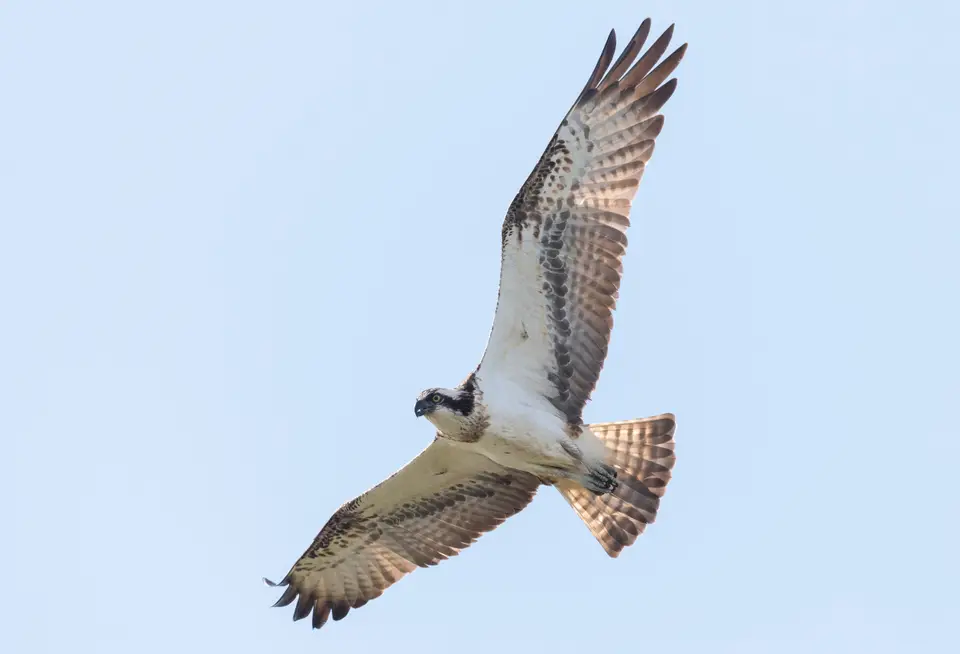
You can see ospreys, red squirrels, red deer, wintering geese and, with luck, a golden eagle around Loch Lomond. The best-known spots are the Loch Lomond National Nature Reserve and Inchcailloch, reached by ferry from Balmaha and its island. Ospreys and woodland wildlife are best from April to September, geese in spring and autumn, and the red deer rut in September and October. Most other islands you can visit are privately owned, and nothing here is guaranteed, so treat the list as places to look.
Birds
Ospreys fish in the loch in summer, and the nature reserve holds wintering geese in spring and autumn. The park authority also names golden eagles over the hills near Arrochar, as a chance rather than a promise.
-
Ospreys and geese
Go to the Loch Lomond National Nature Reserve for ospreys fishing from April to September and wintering geese in spring and autumn.
Geese at the Endrick Mouth just over 200 Greenland white-fronted
-
Golden eagle
Look up over the hills around Arrochar. A sighting is luck, not a promise.
Deer and squirrels
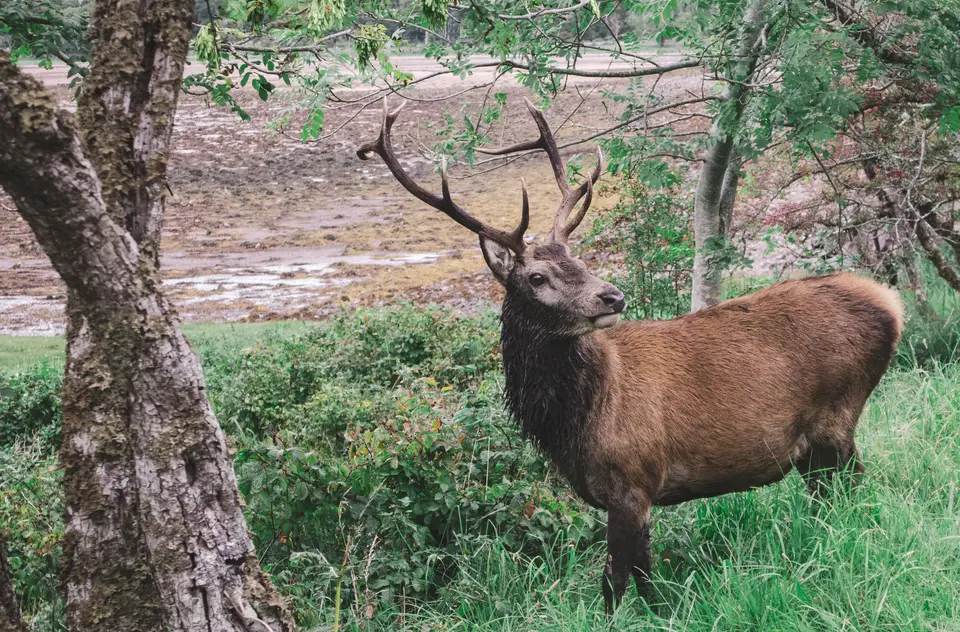
Red deer are easiest in the quietest hours, early morning or evening. The rut brings the roaring that carries across the hillsides.
-
Red deer on Ben Lomond
Go in autumn and you may hear stags roaring on the hill. The rut runs in September and October.
Rut September and October
-
Red deer on Ben Vorlich
The park authority names Ben Vorlich for red deer, particularly in the autumn rut.
-
Red squirrels at Conic Hill
Look in the conifer trees at the start of the walk.
-
Red squirrel hide, Trossachs
The Lodge Forest Visitor Centre in the Trossachs has a red squirrel hide in the woodland.
-
Deer on Inchcailloch
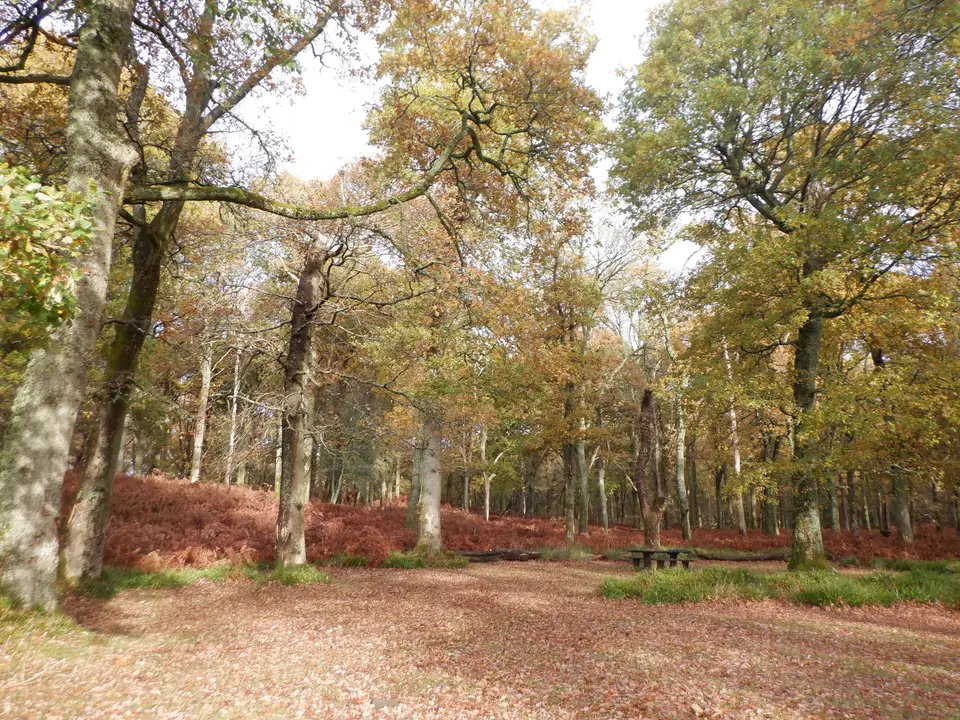
The island’s nature reserve of oak woodland has fallow deer.
Reserve size 52 hectares
Photos

What to look for, and where
The Great Trossachs Forest National Nature Reserve lists black grouse, golden eagle, osprey, pine marten, red squirrel and otters. The park authority gives no pine marten viewing times, so treat a sighting as luck. The Lodge Forest Visitor Centre in the Trossachs has a red squirrel hide in the woodland.
Otters may be seen at the head of Loch Tay in the early morning or evening, and red squirrels are best seen early in the morning or evening. The authority also lists whooper swans, goldeneyes, barn owls, kingfishers and dippers across the park.
| Species | Where | When |
|---|---|---|
| Osprey | Loch Lomond reserve; Loch Earn; Lake of Menteith | Summer months |
| Red squirrel | Conic Hill start; the Lodge Forest Visitor Centre hide | Early morning or evening |
| Red deer | Ben Lomond, Ben Vorlich, hills near Arrochar | Rut in September and October |
| Pine marten | Great Trossachs Forest reserve | No viewing times given |
| Otter | Head of Loch Tay; Great Trossachs Forest | Early morning or evening |
| Golden eagle | Hills around Arrochar; Trossachs | A chance, not a promise |
| Wintering geese | Endrick Mouth, in the nature reserve | Autumn and spring |
A wildlife year
Spring to September suits woodland wildlife and ospreys fishing in the loch. Autumn and spring bring wintering geese and other waterfowl, including just over 200 Greenland white-fronted geese at the Endrick Mouth, about 1% of the world population. The red deer rut follows in September and October.
Midges are active from late May to early September, peaking in July and August, so plan your early-morning watching with repellent. April to July is the critical ground-nesting season, when dogs should stay close on moorland, forest, grassland and loch shores.
Other guides pass through the same country. Balloch Castle Country Park, the Loch Lomond Bird of Prey Centre, what to expect at Loch Katrine and a day on Loch Ard each have their own guide. Starting from the south, a stop in Balloch is the easiest base, and walks from here lists the routes. For days out and activities beyond wildlife, use the main list.
Questions people ask
Are there eagles around Loch Lomond?
Possibly. The National Park says you may be lucky enough to see a golden eagle over the mountain tops in the hills around Arrochar. It is a chance, not a promise.
Are there dolphins in Loch Lomond?
The National Park’s wildlife guide does not list dolphins in its lochs. See the sea-life guides for the aquarium instead.
Are there ospreys at Loch Lomond?
Yes, in summer. The RSPB reserve lists ospreys feeding in the loch, and the nature reserve names April to September as best for ospreys fishing.
When is the red deer rut?
In September and October, according to Forestry and Land Scotland. Early morning or evening is quietest.
Are there wallabies on Loch Lomond?
Press reports say wild wallabies live on a private island called Inchconnachan. We found no official source, and the island is reached only by private boat, so we do not list it as somewhere to watch.
Is Loch Lomond safe to swim?
The National Park says its lochs and rivers stay cold enough to cause cold water shock even on warm days. Enter slowly and never swim alone. Water safety and the weather has the detail.
How do I watch wildlife responsibly?
Keep a respectful distance and keep dogs under control or on a lead near animals. April to July is the ground-nesting season, so keep dogs close on loch shores, in woods and on grassland. Stay on paths and take extra care on islands, which are refuges.
Can I get to the Endrick Mouth wetlands?
Not easily. NatureScot says the ground makes access difficult and there are no visitor facilities there. Visit Inchcailloch by ferry from Balmaha for a woodland walk instead.
Is the monster real?
We cover wildlife that is on record, so we leave the monster out.